
Discovering Heathwood’s Beginnings
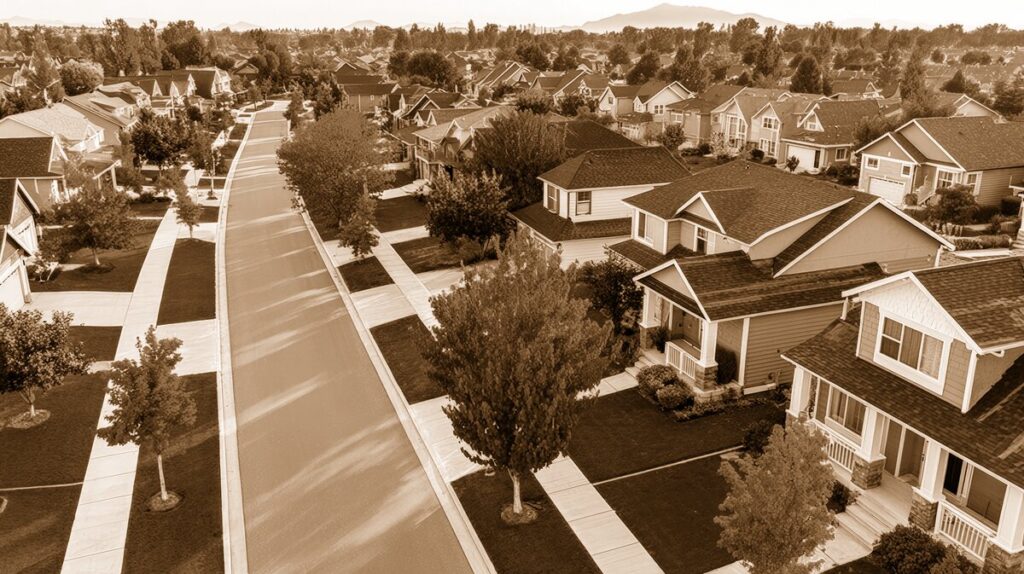
Tucked away beneath shady canopies of mature oaks and blooming magnolias, Heathwood stands as one of Columbia, SC’s most cherished and historic neighborhoods. From its stately homes along Heatherwood Road to quiet stretches of Berkeley Road and Adger Road, Heathwood’s beauty is as much about its people and legacy as its meticulously landscaped lawns. The story of Heathwood is woven into the fabric of Columbia itself—a testament to generations of thoughtful planning, local pride, and Southern grace.
How Heathwood Got Its Name
Heathwood’s name is a nod to both the area’s natural landscape and its early roots as one of Columbia’s original suburbs. “Heath” evokes the open, pastoral land here before development, while “wood” references its wooded groves—many of which still can be found lining the streets today. The neighborhood was formally established in the early 20th century, with its development gathering speed during Columbia’s growth spurt in the 1920s and 1930s. Much of Heathwood’s early layout is credited to the vision of A.T. Heath, a prominent local landowner and businessman, whose family has deep ties to the city. His name lives on in the neighborhood, marking it as “Heath’s wood” and reflecting a spirit of stewardship that continues to shape the community.
Key Historical Milestones
Heathwood’s timeline is a rich tapestry, shaped by both local progress and national events:
- 1920s–1930s: As Columbia expanded beyond its historic core, the rolling hills and wooded lots east of downtown became prime for residential development. The introduction of paved streets like Adger Road and the strategic placement of green spaces helped make Heathwood appealing to affluent families looking for space, style, and proximity to the heart of the city.
- Architectural Flourish: Heathwood swiftly became home to some of Columbia’s most distinguished early- and mid-century architecture. Stately Georgian, Colonial Revival, Tudor, and Spanish Eclectic homes dot the neighborhood—many built by renowned local architects and craftspeople. The neighborhood’s building covenants and careful zoning contributed to a consistent, spacious feel rarely found so close to the urban core.
- Mid-Century Modern: The post-World War II boom brought new families and architectural styles to Heathwood. Streets like Wellington Drive and Devereaux Road showcase handsome ranch homes and split-levels, blending seamlessly with older estates.
- Preservation Efforts: Heathwood residents, proud of their heritage, have long been committed to maintaining the neighborhood’s historical charm. Several homes here are listed on the National Register of Historic Places, and neighborhood associations have been instrumental in conservation efforts.
Notable Landmarks and Institutions
Heathwood is rich with celebrated landmarks and gathering places:
- Heathwood Hall Episcopal School: Situated within the neighborhood on Galway Lane, this respected institution began in the 1950s and is now one of Columbia’s premier private schools, educating generations of families from across the Midlands.
- Mays Park: A beloved green spot nestled at Adger and Devereaux, Mays Park offers neighbors and children a place to gather, play, or just stroll beneath wide, old trees. It’s a reminder of Heathwood’s commitment to protecting shared spaces and quality of life.
- Woodland Park and Sims Park: Bordering nearby Shandon, these parks have provided recreation and community gathering spaces for Heathwood families for decades.
- Historic Churches: Church of the Good Shepherd (on Blanding Street) and Kilbourne Park Baptist Church (on Kilbourne Road) have deep roots in the neighborhood, serving not only as spiritual homes but as pillars of community support and outreach.
- The Timothy M. Treadway House: Featured on the National Register, this elegant Georgian Revival home along Forest Drive is just one example of the architectural treasures that make Heathwood unique.
Changing Landscape—Modern Heathwood
While Heathwood’s tree-lined avenues and historic homes give it a timeless feel, the neighborhood has thoughtfully evolved with Columbia:
- Community Spirit: Longtime residents are as likely to wave from their porches as to volunteer in neighborhood clean-ups or holiday events. The Heathwood Neighborhood Association is active in preserving the area’s character, supporting safety initiatives, and welcoming newcomers.
- Diversity of Homes: Today, Heathwood offers an appealing blend of grand old estates, tastefully renovated homes, and new construction on previously vacant lots. Strict guidelines ensure that renovations honor the existing aesthetic, while creative landscaping keeps the area lush and private.
- Walkability & Proximity: One of Heathwood’s greatest strengths is its walkability. On any given afternoon, you might see families or runners traversing Forest Drive, or neighbors out with their dogs in Mays Park. Downtown Columbia, with its shops, restaurants, and cultural attractions, is just minutes away—making Heathwood ideal for those who want the best of both suburban peace and urban convenience.
- Evergreen Appeal: Through economic booms and downturns, Heathwood has maintained its reputation as one of Columbia’s most desirable neighborhoods, favored by generations for its solid homes, top-notch schools, welcoming parks, and the air of history that can be sensed in every stone and street name.
What Makes Heathwood Special?
Ask any longtime resident, and they’ll tell you: Heathwood is special not just because of its history or architecture, but because of its enduring sense of belonging. This is where neighbors still know one another, where children ride bikes beneath towering pecan trees, and where front-yard conversations can last well past sunset.
Whether you are admiring the grand homes on Heatherwood Road, picnicking in one of its leafy parks, or walking to church on a quiet Sunday morning, Heathwood’s past is never far away. It is a neighborhood that cherishes its story—and it’s always ready to welcome those who wish to be part of its next chapter.